

There are several significant differences between written and spoken English. When it comes to spoken English, we must pay attention to the rhythms, grammar, word choice within sentences, and pronunciation. Newspapers, magazines, and textbooks are the only written English materials.
Written English: What Is It?
The language we read in books, articles, blogs, letters, and other written forms is referred to as written English. We are able to learn new things from all of these works, and we didn’t want to read the books and texts in order to fulfill any requirements. However, what we really want to know is what each statement means. Written English constantly expresses information, and when you read works with a literary focus, the writer’s emotions are also expressed. For instance, when you read a letter from a friend or member of your family, you can sense their emotions through the written word.

Written writings are always useful for developing our views. Reading will help you become a better writer since it will encourage you to write in your journal on a regular basis and allow you to create short stories based on your own experiences.
We’ve spoken about what written English is and how it helps you be more creative. We will now talk about what spoken English is.
Spoken English: What Is It?
All that spoken English is is the language we use to speak with each other. People with different origins have different accents; for instance, an American’s speech is not the same as that of a Canadian or a British person. The existence of spoken English utterances is still another differentiation. These are not visible when writing is done. The formality or register of the English language is also different when it is spoken. It can be more casual when compared to written English.

We will now examine the primary distinction between spoken and written English:
Consistency
Reading is possible anywhere and at any time since written texts are fixed. Speaking with friends, family, and coworkers in spoken English is communication in the real world.
We are connected as speakers and listeners when we communicate in spoken English. Sharing our ideas and views with others is the main goal of communication.
Density
Texts that are written have content. Thus, the reader and the words in texts are linked. The author of a written piece is an unseen entity who shares the reader’s thoughts and feelings through words; we are unable to speak with him. It is also a form of communication in which the person’s entire biography is read to us.

We converse with the speaker face-to-face when using spoken English. It’s important to focus on vocabulary, grammar, and pronunciation when conversing with others. In order to fill the sentences, we may also utilize fillers and repetitious words.
Face-to-face communication in spoken English is primarily narrative, occasion-, initiative-, and story-based. Examples of written English include idea-based writing, narratives of the past and future, explanatory writing, and idea presentation.
Establishment
Because written materials can be read by a variety of ascent speakers and occasionally be translated into many languages, it is important to correctly arrange the words inside them. Thus, the text’s arrangement needs to be carefully considered. Publishing the books requires a number of steps, such as editing, proofreading, grammar checking, and many more, before they are made available for reading. Written texts adhere to stricter grammatical rules and have more formal, correct terminology as a result. Writing typically requires a lot more time than speaking.
Furthermore, writing for text messaging can resemble spoken English more. Speaking requires a deeper comprehension of pitch, timing, stress, and intonation.

Common Language
Generally speaking, only writing in a mainstream dialect is appropriate. On the other hand, spoken dialects vary greatly throughout the world.
While written languages are commonly spoken, there are numerous spoken dialects in some languages (like Russian or Chinese) that may even be incomprehensible to one another.
A Learned Ability
Languages differ all throughout the world. For instance, it can be challenging to understand French if English is your first language. Learning a new language is challenging for native speakers (second language acquisition). Conversely, written language is nearly always taught and acquired consciously. English, for instance, is a language that is spoken and written widely.
As a result, English is used to write everywhere. Several nations have adopted it as a written and spoken language. Additionally, it develops into a business and academic language.
Written representations of the same subject are usually far less wordy than spoken texts, which are usually significantly longer. Most people write less than they speak. For social functioning and survival, however, writing is not as important as communication.
How to Pronounce It
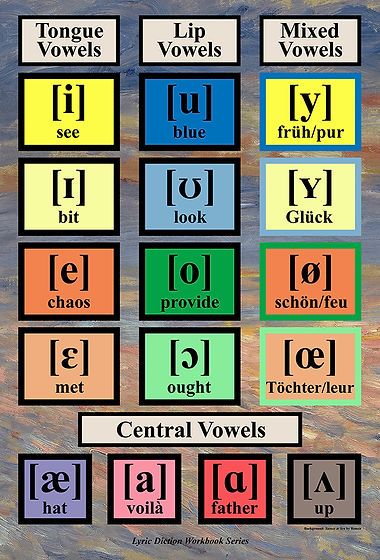
Pronunciation is the primary area of concentration in spoken English. The word “often” is sometimes mispronounced as “of ten,” although the correct pronunciation is of (t)en. Additionally, we commonly refer to something as “pronunciation,” while “pronunciation” is the proper term. A person may have outstanding written English, but he may not be a proficient communicator with correct pronunciation, which is crucial.
These are mistakes that come from not spending enough time with those who possess “Good English Communication Skill.” The only people who can distinguish improper pronunciation are “Native English Speakers” or those who have a high level of “English Communication Skill.”

Understanding of Grammar
In order to write or speak effectively, you must be proficient in “Applied English Grammar.” What makes this different, then? Casual or informal English can be used to communicate with everyday people, such as friends and family, even if you are not fluent in the language or just comprehend a small portion of it. However, in order to succeed professionally, you must learn English grammar for both written and spoken forms.
Speaking Ability
As we’ve just covered, you can converse in English even if you don’t understand grammar. Conversely, you are unable to converse with professionals.
You won’t have time to think and plan, to speak and then clarify, or to utilize fragmented phrases if you want to talk to your coworker. You need to possess the acute skill of “English Communication” in order to be a well-spoken speaker with a comprehensive understanding of both English language and English grammar. There is another distinction between written and spoken English: in order to be an “Eloquent Speaker,” you need to have a more focused and extensive knowledge base.

British or American accents
Although American and British English have different spellings and writing styles, you must select one of the two writing styles and adhere to it with only minor modifications because it is easy to adjust.
However, you have to follow a particular accent style when giving a speech in front of a reputable audience, as at a conference or seminar. Don’t switch between speaking in American or British English; if you wish to speak in one, stick with it.
Speaking and writing flawless English are two different abilities that can be developed with practice. Most importantly, tone of voice matters, and flawless command of English language is necessary for both forms.
You would have comprehended the distinctions between written and spoken language by now. We also talked about the differences between written and spoken English. Good luck with your language learning journey. For a customized solution to your Spoken English gaps click here.