

Effective preparation enhances your performance in the interview. In a similar vein, doing certain tasks after the interview—like notifying your references and contacting HR again—also improves your chances of getting the job done. To ace a job interview and differentiate yourself from other applicants, adhere to these guidelines:
1. Examine the job description
Examine the job description to find out what kinds of abilities and credentials the business is looking for. It would also help you get a sense of the obligations and tasks involved in the position. You might use this information to tailor your resume to the job and get ready for any queries the interviewer could have. To choose how to approach the interview, try comparing your skills and shortcomings to those needed for the position.
2. Examine the business
The majority of employers favor employing applicants who are well-versed in the business. To understand more about the company’s goals, operations, and workplace culture, you can begin your investigation by going to the website and following its social media pages. To gain insight into the experiences of its employees, you could also want to read through employee reviews on websites run by other parties. It would be easier to match your response to the company’s culture and values if you were more familiar with the interviewer and the organization.
To gain a sense of the interviewer’s attitude and demeanor, try to learn more about them on professional networking sites, if at all possible.
3. Update your resume
Once you have sufficient knowledge about the role and the organization, tailor your resume to the position and the organization. Emphasize the abilities and qualities that the employer has specifically requested. Select a few standout terms from the job description and the business overview, then incorporate them into your CV. Make sure the data you offer is accurate and sincere.
4. Review your responses
Revisit the material you know and get ready for any tests that might be included in the interview. Putting your ideas in order will enable you to communicate effectively. Consider the interviewer’s possible questions and your answers to them. Look up typical interview questions by using the job description as a guide.
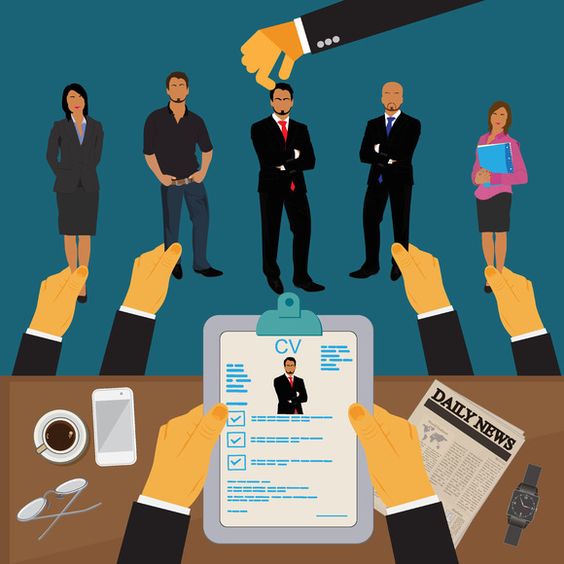
In addition to inquiries pertaining to the domain, a typical set of possible interview questions comprises the following:
Tell us a little bit about yourself.
You desire this job, but why?
For what reason are you seeking a change?
What are your advantages and disadvantages?
After another five years, where do you see yourself?
Another option is to have someone perform a fictitious interview. If you want to analyze your performance and find places where you may improve, think about recording it. You can feel more confident going into the actual interview by practicing.
5. Arrive on time
Make travel arrangements so that you arrive at the interview location at least fifteen minutes ahead of time. Being early for the interview demonstrates your respect for time. Additionally, it provides you with some opportunity to unwind and rejuvenate, particularly following an arduous and protracted voyage. To familiarize yourself with the route, use Google Maps or the location map that the company supplied you. Make sure your GPS gadget is displaying the correct destination, and plan your transportation ahead of time.
6. Adhere to the appropriate clothing code
Make sure you dress in accordance with any specific clothing requirements specified in the job description or the letter of interview. If there are no such policies, you have to wear formal clothing to a job interview. Make sure the perfume, deodorant, or hair gel you’re wearing is light. Preparing your attire and accessories (belt, tie, shoes, socks) the night before the interview will help you avoid last-minute problems.
7. Bring the necessary paperwork and gadgets
Bring along all the necessary paperwork, such as your curriculum vitae, cover letter, reference letters, diplomas, and, if appropriate, pay stubs from prior employmhttps://themelhorconsultation.in/seven-best-practices-for-creating-a-strong-personal-style/ent. Place them in an orderly file or folder. Make sure you have a pen and paper with you so you won’t need to borrow them throughout the interview. Make sure you have a laptop or tablet with you if you need to display your work or give a presentation.
8. Make a good first impression
It is beneficial if you conduct yourself professionally from the moment you arrive at the location and show courtesy to everyone you encounter. If the security personnel requests it, enter your information in the register. Generally, you have to follow the directions at the reception and turn in your CV. While waiting at the desk, try to remain patient and avoid interacting too much with other applicants. Turning off or keeping your phone on mute is a good idea.
9. Use clear speech
A positive mood is created when you greet the interviewer with joy. Make an effort to speak clearly and at a steady pace. Rather than trying to convey everything you know in a single breath, let the information come to you naturally. Be truthful when admitting you don’t know anything. You are free to request a minute or two if you need it to reflect. You would have an advantage over other candidates if you were genuine and had great cognitive abilities.

10. Pay attention
A promising applicant must possess the critical ability to actively listen. Make an effort to pay close attention to what the interviewer is saying. Employers view it as a sign of a strong work ethic when you refrain from interjecting in a formal setting.
Before starting to respond, make sure you fully comprehend the questions and any additional information. In certain cases, the interviewer’s extra information can be useful in addressing questions that the candidate may have later in the interview. You can improve your replies to subsequent questions by seeing how the interviewer responds to your answers.
Related: Interview Success Strategies to Help You Ace Interviews

11. Highlight your abilities and accomplishments
Make an effort to emphasize your achievements and talents that will help you succeed in the new position. You can connect each of your responses to a certain talent or attribute by doing a little forward planning. Take advantage of the chance to respond to questions such as “What are your strengths?” or “Why are you looking for a change?” by outlining your qualifications for the position. Make sure your response is factual, informative, and delivered in a modest, humble manner.
12. Make uplifting body language
You may learn a lot about your attitude and degree of confidence from your body language. Anxiety can be shown, for instance, by slouching or trembling your legs. On the other hand, excessively casual and relaxed sitting could be seen as a sign of poor workplace manners. Aim to come across as calm and collected rather than overly casual or self-assured. Making direct eye contact, sitting upright, and displaying upbeat facial expressions are a few instances of excellent body language.
13. Pay close attention and be exact
Due to their hectic schedules, interviewers seldom have time for in-depth responses. They value succinct, targeted responses. Therefore, be succinct and direct in your responses. Make sure you include all the pertinent details at the same time. Tailor your responses to their particular inquiries and any further details you learn during the interview. When necessary, provide compliments to your bosses, both past and present. Make an effort to gauge the interviewer’s demeanor and temperament and adjust your approach accordingly.

14. Pose relevant queries
Most interviewers provide you a chance to ask questions and get your questions answered at the end of the interview. Posing inquiries demonstrates your desire to find out more details about the position and the business. For instance, you can enquire about department-specific matters, your daily duties, or the company’s values. In technical or preliminary interviews, try to refrain from bringing up the topic of pay.
15. Provide references
In your job application or CV, you must provide the names of two or three references. Your contacts must respond in a way that is consistent with the information you have given when someone from the company phones them for confirmation. Get in touch with your references following your interview, if you haven’t already, and let them know that you’ve applied for a position. This will ensure that they provide positive referrals.
Link: How to Respond to the Inquiry, “What Is Your Desired Role?”

16. Contact HR again
Please do not hesitate to contact HR again if you do not hear back from the organization within the anticipated time frame. You can get in touch with them via email or phone. To aid in their memory, be sure to include your name, the position you applied for, and the date of the interview. In situations when you are placed on a waiting list or the hiring decision is being made by the employer between two or more candidates, it is usually beneficial to follow up. In such circumstances, following up may cause the employer to reconsider and grant you precedence over other applicants.
To ace your job interview, click here to get started.