

Soft skills: What are they?
Building resilience and confidence in your children early on has a positive impact on all they do. Soft skills are crucial, much as fundamental life skills like managing finances and taking care of oneself. These are the social skills necessary for us to succeed in the outside world. People skills are the foundation of soft skills. Your child will stand out when they can interact and converse with others anyplace. A true superpower is the ability to be open-minded, inquiring, and collaborative.
In contrast to academic and career-related knowledge and skills, or “hard skills,” soft skills are more commonly overlooked since they center on traits like empathy, communication, and teamwork that many people assume come naturally.
Why is the importance of soft skills?
Soft skills are crucial because they are the interpersonal abilities that enable us to communicate and work well with others. They will support teenagers in forming relationships, communicating clearly, problem-solving, and situational adaptation.
“Our children face a maze of challenges in the fast-paced game of life,” says Helen Bryant, a soft skills trainer and leadership expert. Their success lies in their soft skills. These skills not only serve as a covert means of forming friendships, but they also open doors to success in the workplace, in school, and elsewhere.
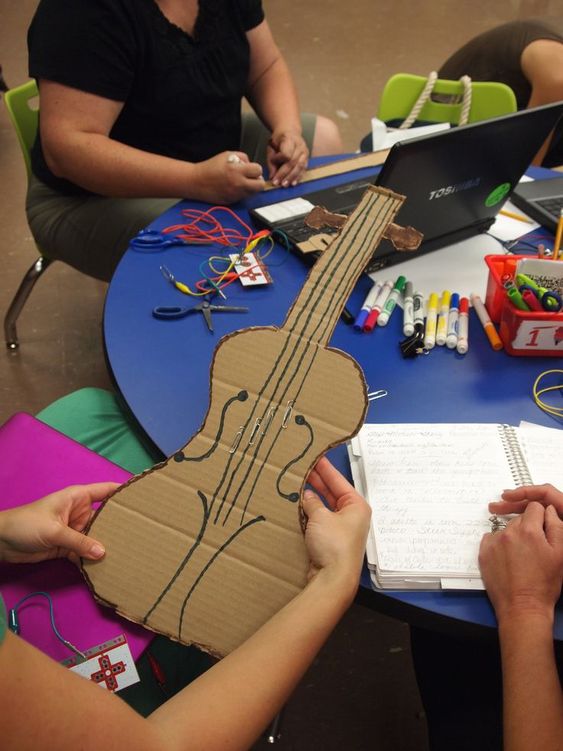
Reasons for which young children should acquire soft skills
It pays to start building soft skills in children early because they are all necessary for problem-solving and effective social interactions. To develop healthy connections and collaborate well with others, toddlers need to learn how to share, express their feelings, and communicate. Enhancing these abilities further as children become older can help them recover from setbacks, remain composed under pressure, and handle stress and hardship. Older kids can become more assertive, set boundaries, and practice self-care when they enter their teens by further implementing these soft skills.
The top 10 soft skills to impart to your children
When your child is content to hide in their bedroom and spend all of their free time on technology, it might be difficult to help them develop their soft skills. You can, nevertheless, take a variety of actions that have an impact. You should instruct them as follows.
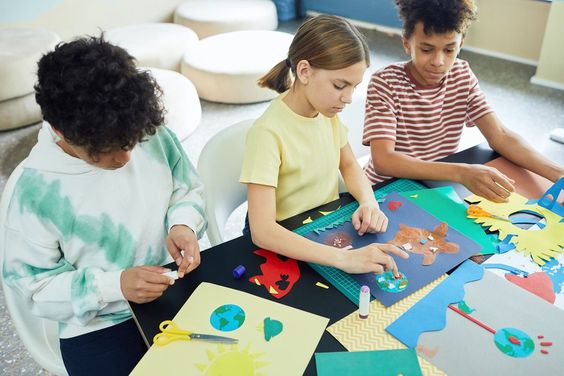
1. Interaction
In addition to having the soft talent of active listening, which is listening to people intently, being able to articulate yourself clearly and effectively is also a necessary component of good communication. Children pick up strong communication skills from watching, so set an example for them. Encourage children to make themselves heard and strike up conversations with strangers. Practice this yourself; there’s a tremendous difference between knowing what to do and really doing it.
2. Applying critical thinking
This involves having the capacity for critical and logical thought. Provide your children with opportunities to solve puzzles so they can hone their critical thinking abilities. For instance, you may ask them to solve a challenge or come up with a solution to an issue.

3. Conciliation
This is sometimes referred to as emotional intelligence, and it involves the capacity to comprehend and control both your own and other people’s feelings. By listening to them, comprehending their emotions, and reacting with compassion, you can assist them in gaining this ability.
4. Resolving issues
Being able to see issues and provide rationale, effective solutions is part of this. Don’t always rush to solve children’s problems; instead, give them the opportunity to work on possible solutions.
5. Collaboration
Being able to collaborate well with others to achieve a common objective is part of this. Urge them to consider your family as a unit and consider all the various ways that members can support and inspire one another when it comes to tasks like housework.
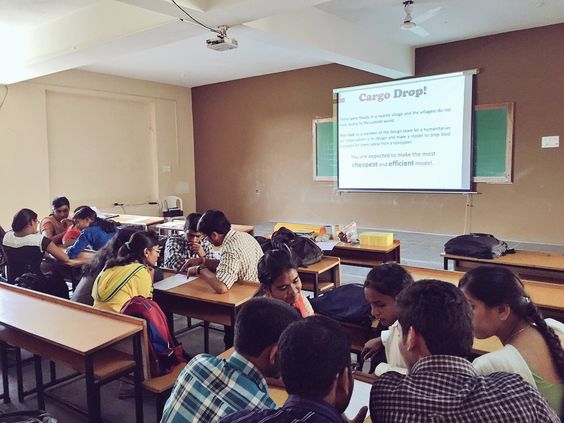
6. Structure
Children who are organized in their actions and responses to events are better able to control their stress levels and time. Thus, be sure to instill in your children organizational abilities like creating priorities and goals.
7. Ingenuity
Thinking creatively entails thinking beyond the box and developing original concepts and solutions. Oftentimes, taking chances is the best approach to generating fresh concepts. Encourage children to take risks and not be scared to fail.
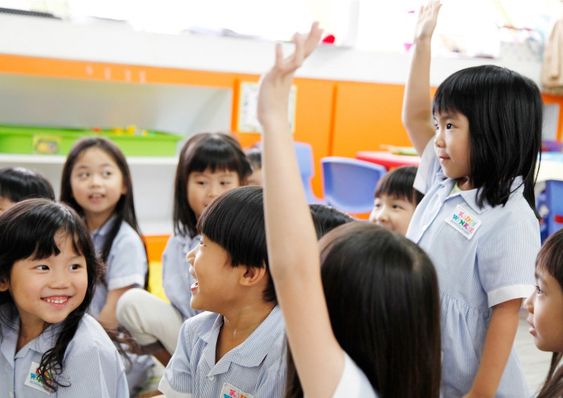
8. Adaptability
Adaptability and flexibility of thought are two of the most potent soft skills. Furthermore, your youngster will grow more adaptive the more experiences they have. Take your kids on excursions, push them to try different foods, read books, and socialize with strangers.
9. Resilience
Recovering from setbacks and obstacles is a crucial ability for managing stress, change, and hardship. Encourage your child to adopt a growth attitude by showing them that obstacles present chances for learning and development.
10. Effective Time Management
Kids need to learn time management as a critical soft skill for all aspects of life. Encourage your youngster to prioritize their duties by having them concentrate on the most crucial ones first. Then demonstrate to them how to make a timetable. They can avoid procrastination and keep on task with the help of this.

Advice on raising kids who possess certain soft skills
Several strategies can assist, inspire, and reinforce learning in children as you support them in developing soft skills. Here’s something you could try:
- Bolstering of one’s own worth. Talking about your children’s accomplishments and strengths will help them grow in self-assurance.
- Give an example of the behavior you like to see. Because children pick up on adult behavior from watching, it is important to model positive soft skills for your children.
- Provide practice opportunities. Kids can be assisted in developing soft skills in a variety of ways. You can help your children solve puzzles, play cooperative activities with them, or provide them with the opportunity to socialize with other children.
- Be understanding and encouraging. Children need practice and time to develop soft skills. As they develop, therefore have patience and offer them assistance.
- Encourage your youngster to take chances. Your youngster can learn and develop by taking chances.
- Encourage your child to grow from their mistakes and to view them as a teaching moment.
- Enjoy yourself. It doesn’t have to be difficult to learn soft skills. Children can find it entertaining in a variety of ways. To help kids learn soft skills, you may, for instance, play games or use applications.
- Keep your standards constant. The secret to assisting kids in acquiring soft skills is consistency. This entails routinely discussing soft skills with them and providing practice chances.