

Learn how to position yourself as an authority in your profession and explore the power of personal branding. A strong online brand identity will help you stand out in a crowded environment. The identity you establish for yourself in public is known as your personal branding. It’s a genuine yet well-managed portrayal of you as a professional.
One of the most important aspects of contemporary digital marketing is demonstrating your experience and proficiency in your industry.
Personal branding can give firms and people a competitive edge since users and search engines value first-hand expertise. It’s also beneficial for developing new prospects and advancing one’s career.
There are many misconceptions and false information in the SEO sector. Personal branding is essential for SEO professionals who want to stand out and break through the clutter.
- Do you want to be recognized as a reliable authority in your field?
- In that case, you will need to become an expert in personal branding.
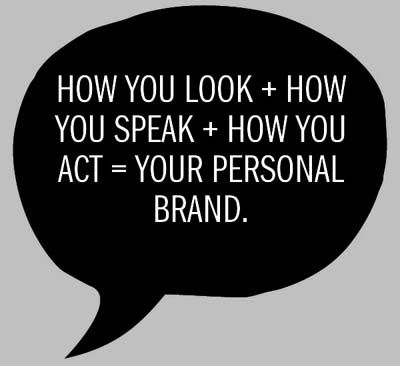
For experts in any business who wish to stand out in a competitive market, it’s a crucial tactic.
We’ll go over the specifics of personal branding in this post and guide you through the foundations of creating your own personal brand.
Personal branding: what is it?
The process of creating a unique online brand identity for oneself, usually in a professional setting, is known as personal branding.
Consider it a continuous endeavor to shape the way that people see you, including the contributions, values, interests, and abilities that they should identify with you.
In order to create a consistent and appealing representation of who you are and what you stand for, the process entails actively curating your online presence across several channels.
What Makes Personal Branding Vital?
Making an impact is more crucial than ever in a time when people’s attention spans are getting shorter by the second. The best approach to achieve this is by developing a strong and enduring brand identity.
In order to become a thought leader, the ultimate goal of personal branding is to leave online audiences with a powerful and lasting impression of who you are.
Unfortunately, because they believe personal branding requires a lot of additional labor, many business owners are unaware of its significance.
In actuality, though, building a great brand is a prerequisite for building a successful business. Customers who are familiar with you and your company will have greater faith in you and, eventually, purchase more goods and services from you.
The Four Advantages Of Having A Personal Brand
Building a solid personal brand has many important advantages that can greatly advance both your career and personal development.
After all, what others say and think about you while you’re not around is determined by your personal brand. It is essentially your professional public image, and it has the power to make or ruin your career.
The four primary advantages of effective personal branding are as follows:
1. Assists in Making You Stand Out
By developing a personal brand, you may highlight your successes, experiences, special talents, and values that set you apart in your industry.
Your competitive edge in the job market and your capacity to demand a higher wage are both improved by this differentiation, which makes you more memorable and appealing to possible employers, clients, or partners.
A strong personal brand makes it easier for decision-makers to understand why you’re the most qualified candidate for new opportunities and projects by effectively communicating your distinct values.
2. Boosts Your Recognition and Visibility
Increasing your profile and establishing yourself as an authority in your field or sector are two benefits of personal branding. Increased recognition from this visibility might reach well beyond your online following and personal network.
For instance, you can draw in media outlets, industry influencers, and possible employers, clients, or consumers by regularly sharing ideas and producing excellent content in your sector.
Put another way, your personal brand acts as a launching pad for new professional prospects by expanding your visibility.

3. Enhances Your Trustworthiness
Gaining the audience’s trust is one of the primary psychology-based justifications for investing in your personal brand. You may strengthen your reputation as an informed and trustworthy professional by regularly posting thought-provoking content, having deep discussions, and showcasing your special abilities. As your credibility grows, you’ll draw in more business and inspire people to ask for your help, counsel, and opinion.
4. Offers You Greater Command Over Your Internet Presence
If a new acquaintance hears your name via a client, follower, or colleague in the field, they are likely to search Google to find out what all the commotion is about. Because of this, having a carefully manicured internet profile can significantly influence your career prospects.
By taking control of your online presence, personal branding enables you to make sure that the results of people’s internet searches are accurate, uplifting, and consistent with your career objectives.

Successful Personal Branding Examples
After learning the benefits of creating a personal brand, let’s examine a few actual cases of professionals that have successfully executed their branding and benefited from it
Perell, David
David Perell, often known as “The Writing Guy,” has established a solid personal brand centered on his proficiency in online writing.

Through the use of the internet, he has helped thousands of people develop their writing, gain an online following, and use that following to advance their careers.
David has effectively established himself as one of the world’s foremost advocates of the power of online communication because of his well-liked course “Write of Passage,” his extensive social media presence, and his regular podcast appearances.
Forleo, Marie
MarieTV, an award-winning web series that helps viewers reach their full potential in both their personal and professional lives, was created by author and entrepreneur Marie Forleo.

Her personal brand is based on the idea that anyone can live the life of their dreams, provided they are prepared to work for it. Her book’s title, “Everything Is Figureoutable,” has become a catchphrase promoting resilience and personal development, highlighting the idea that any issue can be resolved with enough willpower.
With her realistic guidance, captivating demeanor, and undying faith in her audience’s potential, Marie has effectively utilized her platform to motivate millions of people.
Author and businesswoman Marie Forleo founded the award-winning web series Forleo, MarieMarieTV, which aims to help viewers realize their full potential in both their personal and professional lives.
The foundation of her personal brand is the belief that everyone can achieve their goals as long as they are willing to put in the necessary effort. “Everything Is Figureoutable,” the title of her book, has become a catchphrase encouraging personal growth and perseverance, emphasizing the notion that any problem can be addressed with enough effort.
Marie has successfully used her platform to inspire millions of people with her grounded advice, enthralling personality, and unwavering belief in the potential of her audience.
How to Create Your Own Personal Brand in Six Steps
What steps should you take then to build your personal brand?
The following are the six essential steps for effective personal branding.
1. Establish Your Brand Identity
Self-reflection and clarity are key components of the first phase. Here, you need to determine your values and how you want to be seen.
Determine what makes you special; this could be a mix of your unique abilities, viewpoints, beliefs, and interests. Think about your professional accomplishments, unique personality traits, and any noteworthy obstacles you’ve surmounted that have shaped who you are now.
Never compromise on who you truly are, not what you believe other people would like to see. Your audience will relate to you more if you are sincere, which will help you develop a trustworthy and relatable business identity.
Furthermore, being authentic requires far less effort than assuming a false identity!

2. Identify Your Target Market
The next step is to make it clear to whom your personal brand is addressed.
Your target audience may consist of colleagues who have similar interests to yours, clients in a certain industry, or prospective employers.
Understanding their issues and areas of concern can help you modify your messaging and content to meet their unique requirements.
3. Create a Statement for Your Personal Brand
A personal brand statement provides a concise overview of your identity, activities, target audience, and reasons for being important.
Consider it your professional catchphrase. It should capture your distinct value offer and be captivating and unforgettable.
For instance, “Designing edtech to empower learners everywhere” could be your personal brand statement if you’re a software developer who specializes in educational technology. A strong brand statement is a potent instrument that may set you apart from your competitors and peers in addition to helping you concentrate your communication across various platforms.
4. Make Your Internet Presence Better
After you’ve established your own brand, it’s time to make the necessary updates to your online presence.
Make sure your personal website and social media accounts on sites like LinkedIn are well-maintained, expert, and consistent with your brand. Think about getting rid of any outdated stuff or posts that don’t represent the kind of person you want to come across.
Investing in fresh, expert headshots, a company logo, and a unified color palette and design components for all of your platforms is also worthwhile. Maintaining visual consistency helps your audience recognize you and strengthens your brand identification.

5. Produce and Disseminate Useful Content
Posting excellent content is crucial to building your reputation and spreading your message.
By producing and disseminating thought-provoking blog entries, films, and social media content, as well as by participating in other producers’ podcasts and YouTube channels, you may enhance your reputation and broaden your audience.
Your writing should showcase your distinct personality and viewpoints in addition to your professional knowledge.
Offering audience members a free, worthwhile resource on your website (such as an ebook, webinar, or online course) in return for their email address is another smart way to grow your email list.
6. Make Connections And Involve Your Community
Lastly, it’s crucial to establish and maintain a professional network.
You should actively interact with their material, add to pertinent industry discussions, and take part in both virtual and live events in addition to establishing connections with people online.

Providing your knowledge by responding to inquiries, exchanging ideas, and offering insightful criticism helps you establish a reputation as a personable and informed thought leader.
You may increase the goodwill surrounding your brand and possibly open up new opportunities for yourself in the future by taking the time to cultivate relationships and promote the work and efforts of your peers.
Everyone Should Care About Their Personal Brand
Personal branding is more than simply a passing fad that only high-profile company executives, influencers, and celebrities use.For any contemporary professional hoping to stand out in a congested market, draw in new business, and progress their career, it’s a priceless tool.
You’ll be well on your way to creating a personal brand that opens doors for the future if you follow the above steps.