

It can be surprisingly challenging to follow WhatsApp group communication guidelines and etiquette. Nonetheless, WhatsApp and WhatsApp Business are now widely used by both employers and employees as well as by companies and their customers. Therefore, knowing the dos and don’ts of professional WhatsApp discussions is more crucial than ever.
Handling Group Chats: Techniques for Effective WhatsApp Team Communication
Before striking up a conversation, get permission: It is crucial to ask the recipient if using WhatsApp for work is okay before beginning. This is known as WhatsApp etiquette. For whatever reason, certain clients or coworkers might not like being contacted via WhatsApp. Furthermore, before a WhatsApp chat can be used, explicit agreement must be granted in accordance with WhatsApp Business’s unique regulations.

- Keep groups small: Five to eight members is the ideal number for a group. This is due to the fact that in order to guarantee that everyone is heard, WhatsApp groups should be kept within a reasonable size. One or two people will always post more than others, which may discourage other users from participating. Additionally, there are more messages with more members. It makes it more difficult for participants to stay on top of things and increases the likelihood that crucial messages will be overlooked.
- Make use of the reply feature: Although it might seem easy, members of WhatsApp groups might really benefit from using the reply feature to keep track of conservation efforts. Using the reply option to respond to a specific comment or question inside the group makes it obvious to whom and to what point you are responding, which can help keep discussions on topic.
- Avoid spamming: It’s advisable to refrain from sending pointless messages or bombarding your clients and coworkers on WhatsApp in order to keep group discussions on topic. While misuse of communicating can become obtrusive and unhelpful, well-timed, concise messages appear professional and attentive.
- Creating a Professional Environment in Your WhatsApp Conversations: Many of the fundamental ideas for striking the ideal balance between formal and informal in WhatsApp workplace groups apply whether utilizing WhatsApp or more conventional forms of communication.
Here are some best practices for WhatsApp etiquette that will help you set the correct tone:
- Use formal language: Although WhatsApp and text messages may seem casual, it’s still best to use appropriate vocabulary, syntax, and punctuation. Steer clear of slang or extremely informal language. To help clear up any uncertainty, always introduce yourself at the beginning of the call, especially if your contact information is not stored on your employee’s phone.
- Pay attention to the content: Before you begin talking, make sure the group name is appropriate and expresses its purpose. In a similar vein, once you have accomplished the goal of your conversation, thank everyone for their participation and end the group, unless it is for continuing interactions.
- Respect work/life boundaries: It can occasionally be challenging to keep business and personal life separate in WhatsApp groups. However, it is preferable to stay away from this in group WhatsApp talks to preserve professionalism. If you get a message outside of business hours, it’s acceptable to reply the following day. Otherwise, try to avoid sending communications outside of business hours. For other WhatsApp group members, this will also serve to illustrate acceptable bounds.
Managing the Thin Line Between Formality and Friendship with Emojis and Emoticons
Emojis are ubiquitous, simple to use, and a natural part of WhatsApp. However, use emojis cautiously when it comes to professional WhatsApp etiquette. Emojis may give your communications personality and emotion, but it’s crucial to use them sparingly. Emojis should only be used sparingly because using them excessively can make your messages seem amateurish.

Recognize the context: Keep in mind that emojis can signify different things depending on the situation. Before you use an emoji, be sure you understand the context. A smiley face, for instance, can work well in a lighthearted message but not in formal business correspondence. Emojis, on the other hand, can enhance your messages with subtlety and emotion, making it easier to communicate tone and intent. They can also aid in building rapport and a sense of teamwork with your coworker. Emojis are a fantastic way to show appreciation and thankfulness.
Best Practices for Safeguarding Private and Sensitive Information on WhatsApp
Because WhatsApp employs end-to-end encryption, it is generally (though not totally) regarded as private. That being said, this is not always the case. To further enhance WhatsApp privacy, take the following actions:
- Activating Security Code Change Alerts: You can use security codes on WhatsApp to check if your conversations are using end-to-end encryption. Both phones produce a new security code when a new laptop or phone accesses an old chat. Additionally, when the security code changes, WhatsApp can notify users. This way, you and your friend can verify the security of the encryption using a different messenger.
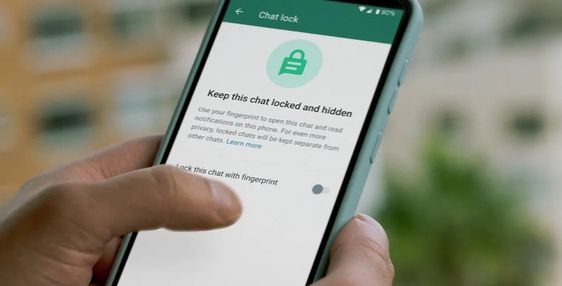
Activate Two-Step Verification (2FA): This feature strengthens security by preventing unauthorized access to your data by adding a recurring passcode to WhatsApp. On WhatsApp, you can activate 2FA on all compatible platforms. WhatsApp’s 2FA feature enables you to generate a memorable six-digit PIN code. Importantly, if you forget that code, you can retrieve it by entering your email address.
Whatsapp etiquette is a new addition to the spectrum and it is an upcoming need. Communication is constant, the mode changes. With that it calls for awareness.
Click here to learn more about whatsapp etiquette.