

Strong communication skills, social graces, and general personality development all depend on teaching children cultural understanding. Understanding and honoring other customs teaches them how to move confidently and gracefully through a variety of social situations. Their soft skills, which are essential for establishing deep connections, are improved by this experience. These include empathy and flexibility. As they develop into kind and well-rounded people, learning cultural etiquette enables them to communicate politely and successfully, setting them up for success in a world that is interconnected on a global scale.
Children who understand social etiquette—such as giving warm greetings, honoring cultural differences, and practicing inclusivity—are better able to form lasting relationships. Teaching eating etiquette fosters respect for traditions worldwide by teaching table manners and local dining practices.
Raising culturally conscious children has a significant and beneficial effect on the people raised as well as the community in which they live. It improves children’s ability to create relationships with others from different backgrounds by fostering the development of empathy, respect, and good communication skills. They gain confidence and flexibility, enabling them to flourish in intercultural settings. Children who are culturally aware help to build inclusive communities, dispel prejudice, and challenge stereotypes on a larger scale. They can become caring leaders, problem-solvers, and advocates for equality thanks to their knowledge of social etiquette and a variety of viewpoints, which promotes a more peaceful and connected society.
Ten Things to Think About
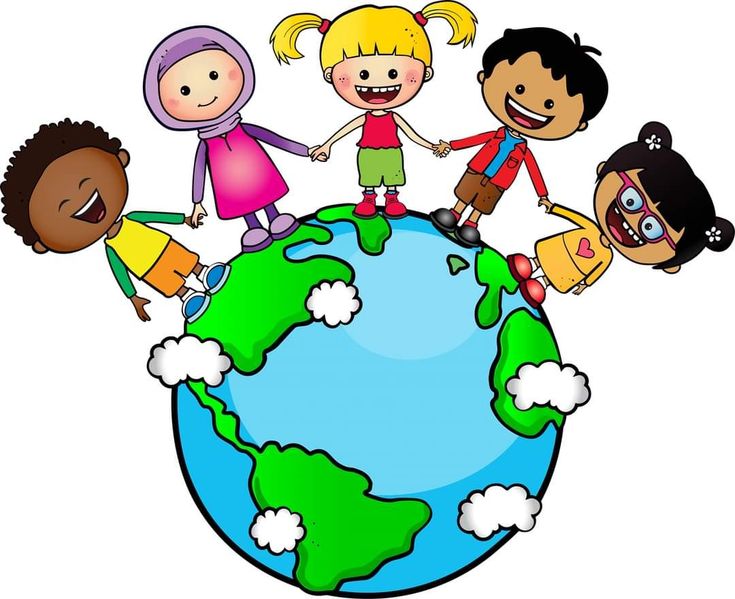
We frequently get questions from parents about how to bring up culturally aware kids. Ten factors are outlined below for parents who want to instill empathy and respect for cultures other than their own in their kids:
- By becoming friends with families from other cultures, parents can set an example of inclusion and gratitude.
- Parents ought to look for social networks where their kids share interests. Engaging in team sports, the performing arts, hobbies, or groups can all lead to these networks.
- Our kids can learn to play and collaborate with people from different cultures by finding similar interests with members of the diverse community.
- Parents need to make sure the groups they start or join are inclusive of people of different ages, cultures, and beliefs.
- Children have the chance to learn empathy for others who are less fortunate when families get involved in community programs for those in need.
- As part of an interfaith activities program, church groups can invite religious leaders from different religions to address their congregations.
- Schools in the suburbs and inner cities can collaborate to share resources, field trips, and community events. Children’s social and cultural knowledge of their neighborhood can be enhanced by these collaborations.
- As many cultural communities come together to develop networks, they can discover that, as human beings, they have many of the same needs and ideals.
- It’s crucial to let your buddy or coworker know that you don’t feel comfortable with certain comments when they display elitism or cultural superiority. Establishing a clear expectation that all cultures will be respected is essential.
- It is beneficial to serve a traditional meal when you are hosting a child from a different culture for dinner. They can then share a cultural experience with your family as a result.
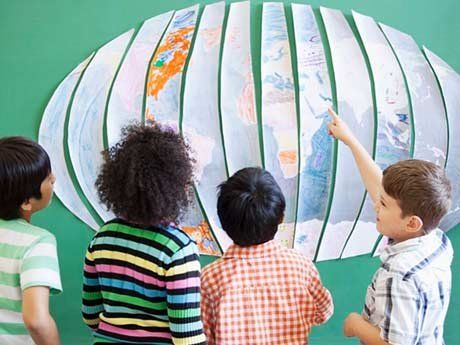
In conclusion
Raising children with cultural sensitivity benefits both society and the individual. We give children the tools they need to live respectfully and empathetically in a diverse and interconnected world by encouraging open conversation, teaching appropriate manners, and developing critical soft skills. Through everyday interactions or more extensive educational opportunities, fostering knowledge of cultural differences aids in their acceptance of diversity and the development of deep connections.
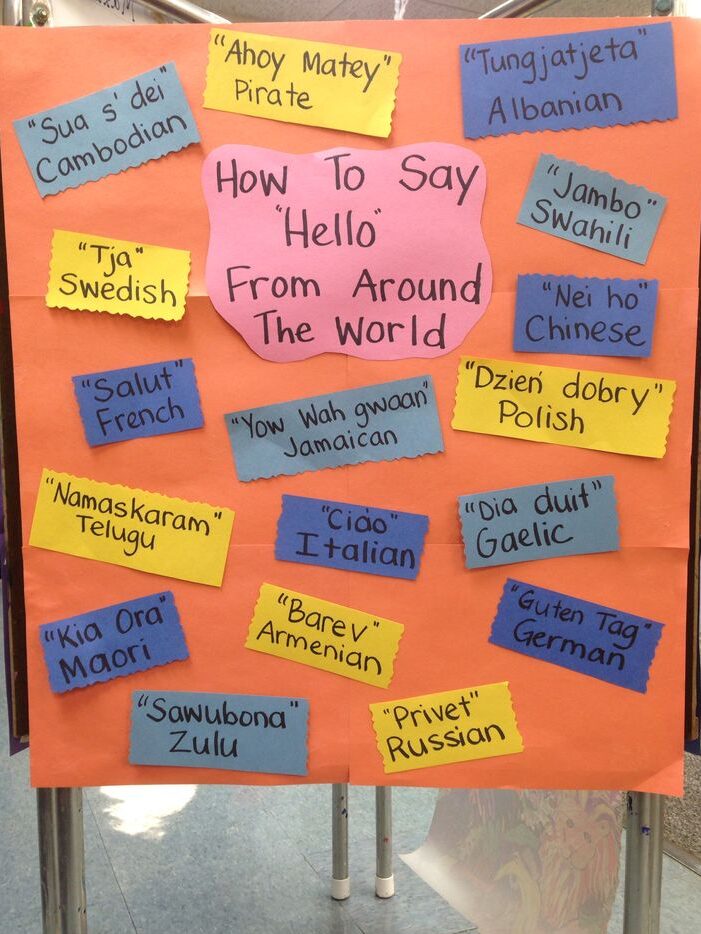
In the end, children who are sensitive to cultural differences develop into self-assured, kind, and flexible adults who help create a more accepting and peaceful world community. A better, more compassionate tomorrow is made possible by the work we do now to support their development.