

A capsule wardrobe is a minimalist approach to fashion in which you curate a collection of versatile, timeless clothing items that can be mixed and matched to create many different outfits. Your concept of style plays a key role here. The idea is to have fewer, high-quality pieces that you truly love rather than a large number of items that aren’t necessarily needed or required. Understanding yourself and your social circle requirements is very important if you are planning on creating a capsule wardrobe for yourself.
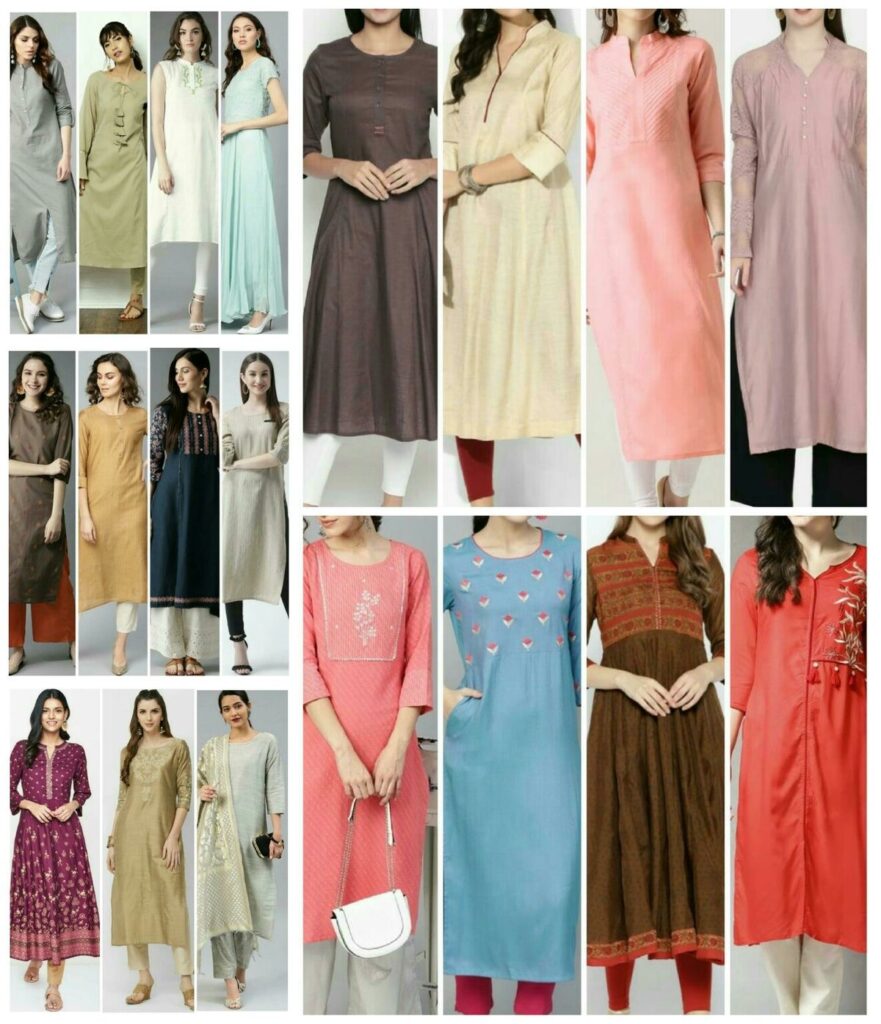
An Indian capsule wardrobe is essentially a minimalist wardrobe tailored to Indian culture and climate. It focuses on versatile, timeless pieces that can be mixed and matched to create various outfits. It’s about having key staples that work across seasons, can be dressed up or down, and reflect both functionality and style.
REASON:
How is a capsule wardrobe helpful? Is it even possible to create a capsule wardrobe for Indian wear?
Such questions are common in your mind when speaking about capsule wardrobes and Indian wear in one sentence.
- Simplicity: Less clutter and decision fatigue.
- Sustainability: Fewer, higher-quality purchases reduce your environmental impact as well as maintain financial well-being.
- Savings: Focusing on essentials means you’re not constantly buying trendy, short-lived items.
- Timeless Style: Instead of chasing trends, you create a wardrobe with lasting appeal.
Get on with It !!
1. Assess Your Lifestyle
- Work Requirements: Do you need professional attire (like business suits or smart blouses) for work, or is your job more casual (think jeans, t-shirts, and cardigans)? The level of formality in your job will greatly influence your wardrobe choices.
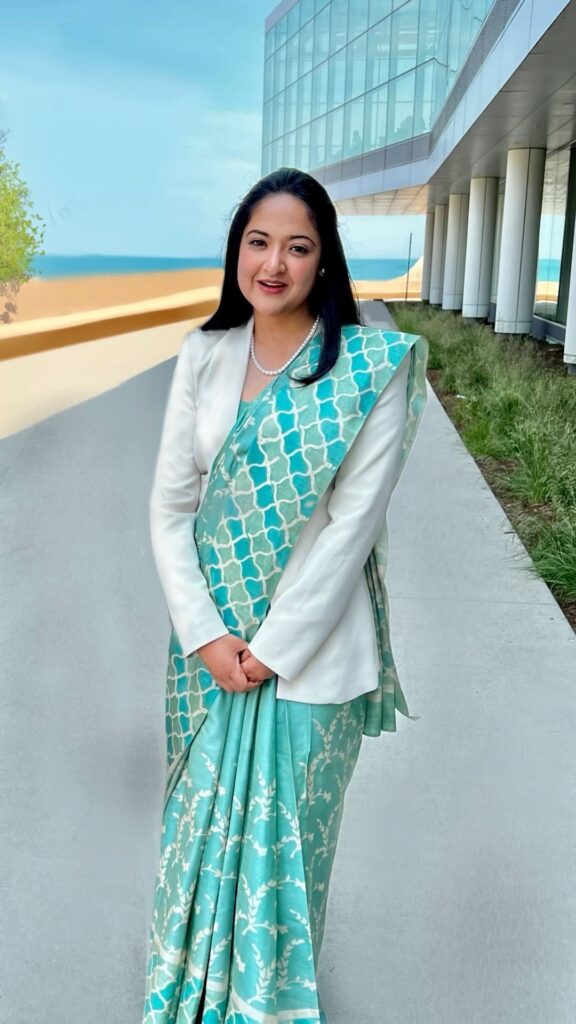
- Social Life: Consider how often you go out for casual meetups, dinners, or social events. If you’re someone who frequently attends formal events, you’ll need more elegant pieces like dresses, blazers, or sarees.
- Hobbies and Activities: Think about your hobbies (yoga, running, hiking, etc.). Do you need workout gear? Maybe some athleisure or outdoor jackets would be necessary.
- Climate: Are you in a warm climate that calls for lightweight fabrics and cool attire, or a cold one that requires layers, jackets, and coats?
2. Evaluate Your Body Shape and Personal Style
- Body Shape: Understanding your body type will help you select clothes that flatter your figure and make you feel confident. For example, if you have an hourglass shape, you might prefer items that accentuate your waist, while if you’re pear-shaped, A-line skirts and wide-leg pants may work best.
- Personal Style: Think about what you actually enjoy wearing. Do you prefer minimalistic, neutral outfits, or are you more into vibrant colors and statement pieces? Creating a wardrobe that reflects your true style will help you feel more comfortable and authentic in your clothes.
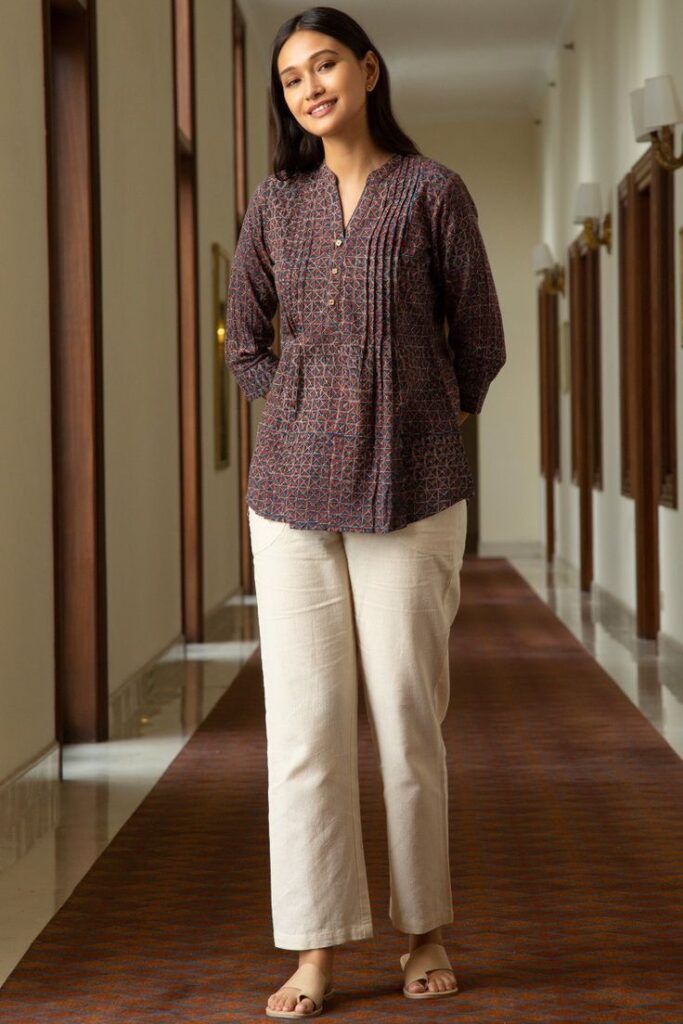
- Comfort: Are you more comfortable in dresses, or do you prefer pants and tops? Do you love heels, or are you more of a flats or sneakers person? Prioritize comfort alongside style.
3. Choose a Neutral Color Palette
- Base Colors: Start with neutrals like white, beige, black, navy, and grey. These colors are versatile and can be easily mixed and matched.
- Accent Colors: Add 2-3 accent colors that complement your neutral base, such as mustard, teal, maroon, or pastel shades. These can give your outfits some personality without overwhelming your style.
- Fabrics: Choose a variety of fabrics suited to your climate and the season, such as cotton for summer, linen for all-season wear, and silk or wool for colder months or festive occasions. However, keeping in mind your body type and what kind of fabric would flow best is also to be borne in mind.
Key Pieces for your Wardrobe
- Kurtas:
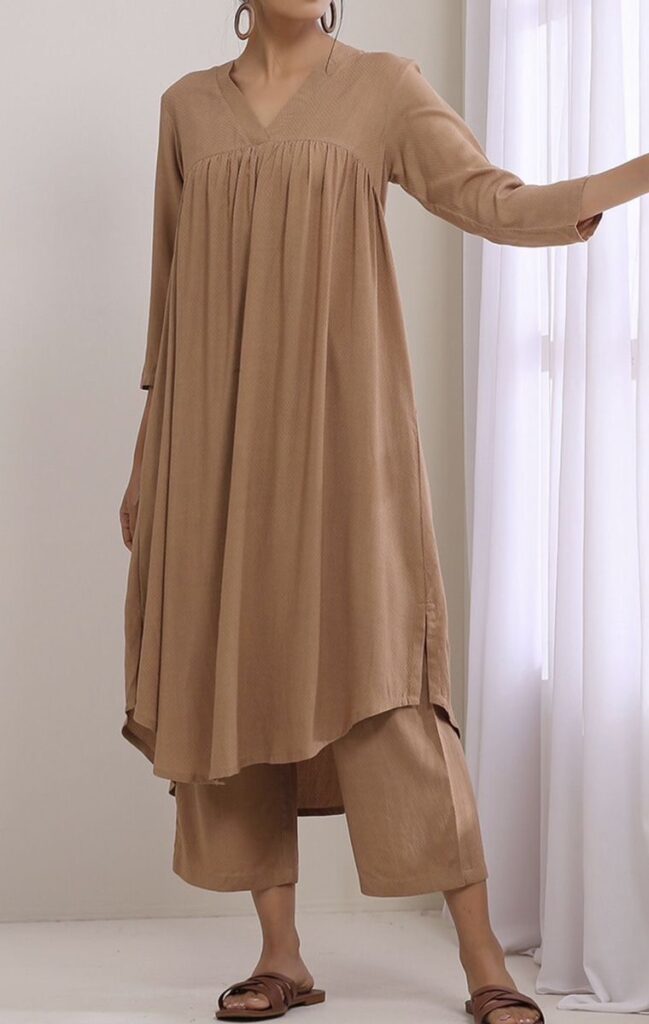
- White cotton kurta (casual) – chikankari is an all time favourite and essential for any Indian wardrobe.
- Navy silk kurta (festive) – Silk adds the touch of royalty and drama to any outfit. Simple cuts and embellishments help you to use this simple garment both in official and unofficial settings.
- Pastel printed cotton kurta (casual) – office wear or college wear or simply as a garment, pastel colours ensure coolness in India’s summer heat and a wide variety of block printing, tie and dye, vegetable dying, kalamkari printing etc ensures you look your ethnic best.
- Bottoms:
- Black leggings (neutral) – ankle length, churidar style, pant style- pick your comfort.
- Beige palazzos (neutral) – available in various kinds of embroidered, jaali work, flared, elephant pants and gharara styles.
- White salwar (classic) – you cannot go wrong with a well-made white salwar in classic cut. Instantly gives you a crisp look paired with a white dupatta and simply any kurti or kurta.
- Dark jeans (for fusion wear) – for those who swear by their live-in’s, pairing jeans with kurtas and scarves has been made quite in by our Bollywood divas. Even blindfolded with picking out these, you can seldom go wrong.
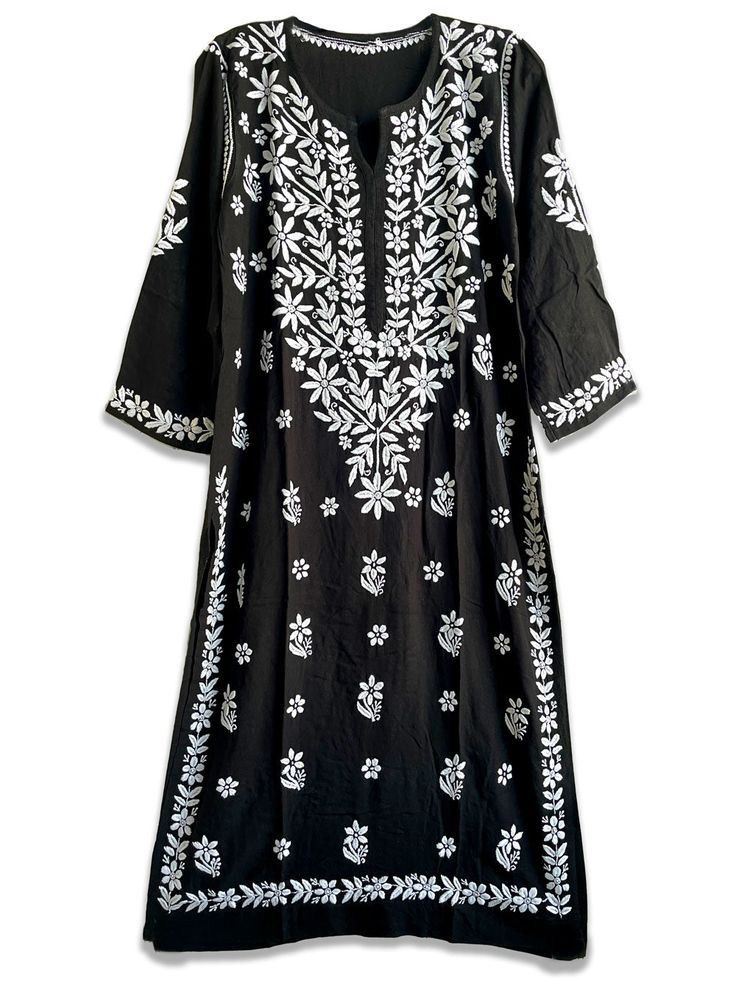
- Black embroidered kurta (formal) – your equal to the ‘little black dress’, this elegant yet subtle piece of garment will see you through unknown territories with ease. Take your pick from India’s wide variety of embroidery techniques like kashmiri, chikankari, tepchi, parsi, aari, phulkari and many more.
- Sarees:
- Neutral cotton saree (casual) – Cotton sarees are an essential part of the Indian wardrobe, thanks to our tropical climate. As such, every region has its own beautiful trademark, Bengali tangail and dhakais, Kerala kasavu, Gujarati kota doria, Rajasthani bandhni, Chettinad cottons, Marathi cotton Maheshwaris etc.
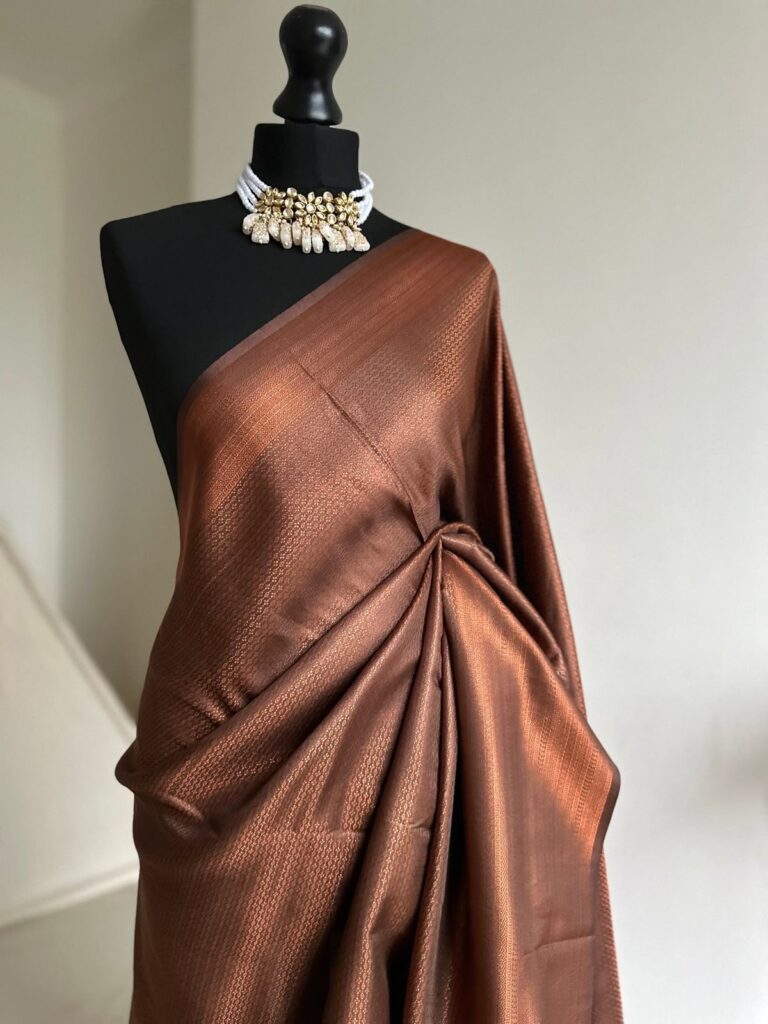
- Deep maroon silk saree (festive) – Invest in one good Kanjeevaram. Its deep maroon color, rich heavy silk and beautiful intricate golden zari border makes this an investment for life. No matter how many times you wear it, it keeps shining anew.
- Dupattas:
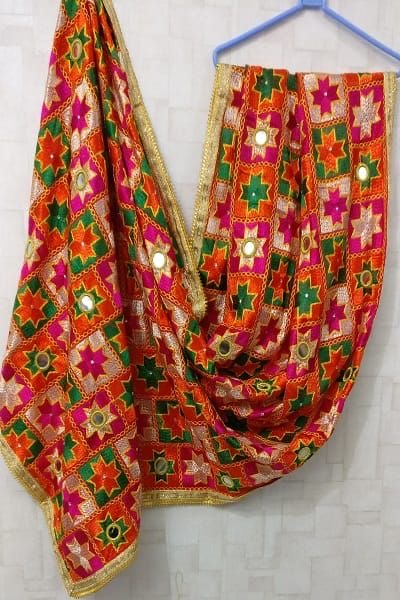
- Embroidered dupatta (for festive occasions) – pair a solid neutral kurta and bottom with an embroidered dupatta to elevate the look instantly.
- Plain beige chiffon dupatta – goes with any style or colour of kurta without being overbearing.
- Footwear:
- Tan chappals (daily wear)
- Gold juttis (for festive occasions)
- Outerwear:
- Embroidered short jacket (for a festive look)
- Brocade long jacket for the Indian touch to party wear.
- Accessories:
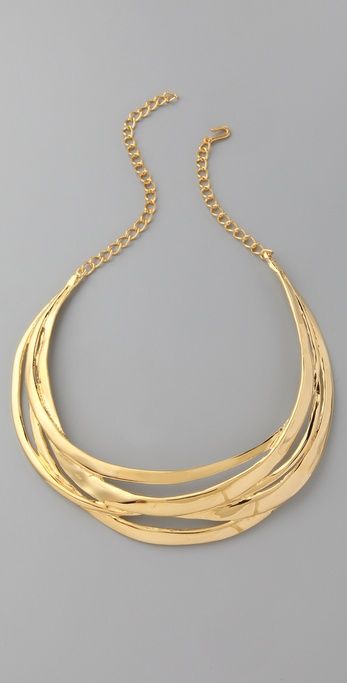
- Statement necklace (for evening wear)
- Simple clutch (for formal occasions)
Some Simple Points to Remember
- Think versatility and layering. Remain true to your personal style and comfort but introduce new elements in moderation for starters. This will help you to gradually grow.
- Add some trendy or statement pieces. This can be optional. However, statement pieces can give you that extra edge.
- Identify the gaps in your wardrobe. Take an inventory and stick to it while shopping. Whimsical buying will not help. Better to stick to a plan.
- Choose quality over quantity. One quality object will go a long way in portraying your stature than ten regular buys.
- Design your wardrobe as per your wearing schedule or habit. A decluttered wardrobe helps you think and put an outfit together faster.
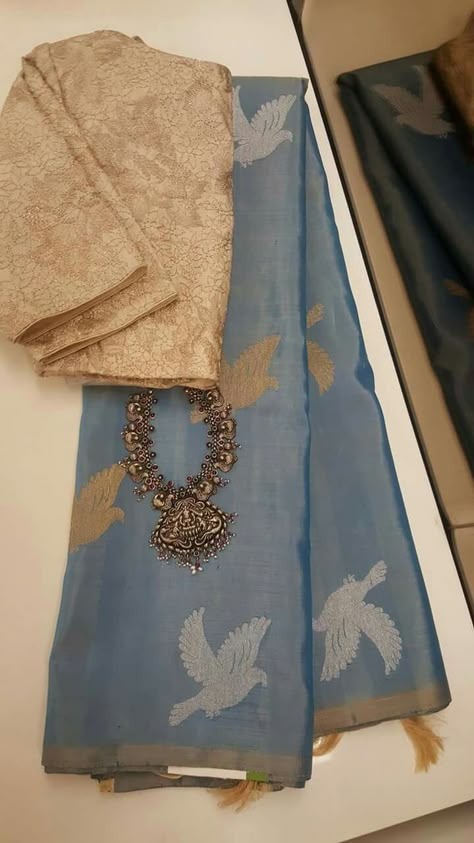
Remember, dressing and everything that goes with it should be fun, not a chore. Start your inventory now and create the most gorgeous yet functional capsule wardrobe for Indian wear !!