

A personal stylist is someone who helps individuals curate and enhance their wardrobe, ensuring that their clothing choices align with their personal style, body type, lifestyle, and the image they want to project. They can assist with everything from everyday outfits to special occasions and help clients shop for new clothes, organize their wardrobes, and even give advice on how to wear certain items.
Some stylists may even have their own specialized areas like corporate dressing, power dressing, event specification, etc. With the dawn of influencers and the advancement of TikTok videos and YouTube, the importance of a personal stylist has increased considerably.
Depending on the requirement of the client, a personal stylist may help to upgrade the client’s style quotient or may help to bring about a total new makeover or simply help organise one’s looks for every day events if the client is extremely busy and does not find the time to organise on their own. Whatever the requirement, the specialisation is accordingly brought into the picture.
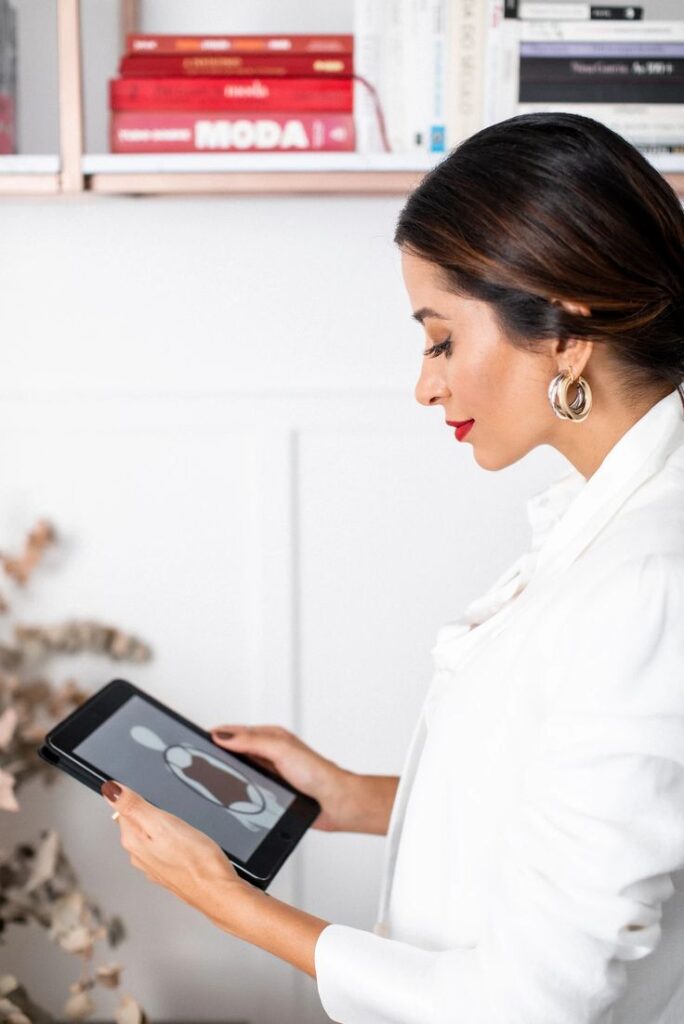
A personal stylist may offer services like:
- Wardrobe consultation: Analyzing the client’s current wardrobe to make sure it’s functional, stylish, and aligned with their tastes.
- Personal shopping: Assisting in the selection and purchase of new clothing that complements the client’s style and needs.
- Outfit coordination: Helping clients put together outfits for specific events or day-to-day wear.
- Closet organization: Helping to declutter and reorganize clothing for easier access and better functionality.
- Style advice: Offering tips on what colors, cuts, or styles suit the client best based on their body shape and preferences.

To be a successful personal stylist, a mix of creativity, interpersonal skills, and a solid understanding of fashion is key. Listening and thereby understanding the need of the client is essential. A person will always have their likes, dislikes and preferences. A good stylist will take into account all of this and yet give the client something that is both relevant to their need and aesthetically pleasing.
1. Fashion Knowledge
- Trend Awareness: A deep understanding of current and emerging trends is crucial. This includes knowledge of seasonal trends, color palettes, fabric types, and how to incorporate them into clients’ wardrobes. Following fashion trends blindly is not required, but being aware is definitely helpful.
- Clothing Construction: Understanding how different types of clothes are made, especially difference between various hand-made and machine-made ethnic garments is crucial.
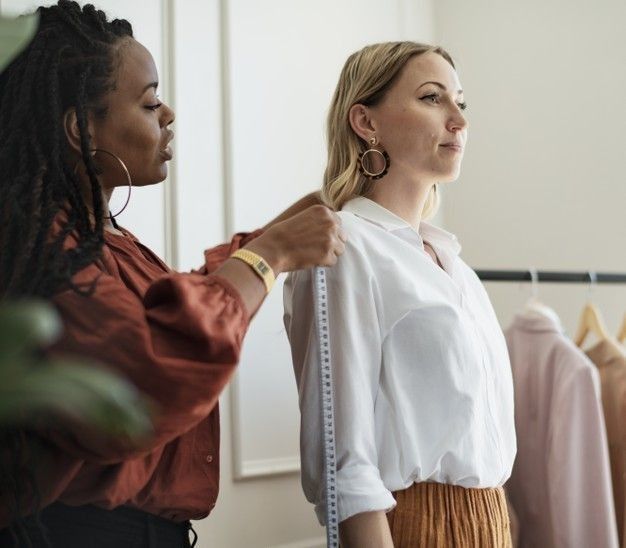
2. Attention to Fit and Comfort
- Fit Over Fashion: A stylist should understand and emphasize that great style doesn’t just come from following trends blindly, but from clothing that fit well and are comfortable for the wearer.
- Clothing as a Confidence Booster: Clothing should not just look good; it should make the client feel good. A good stylist should knows how to select pieces that are flattering and suit the client’s body type.
3. Personal Branding
- Understanding Individual Style: A stylist must have a sharp eye for understanding the unique style preferences and personality of each client. Personal branding is about aligning clothing choices with how clients want to be perceived. Noone wants to lose their own individuality.
- Body Shape and Color Theory: Knowing which cuts, colors, and styles flatter various body types is essential. A successful stylist must help clients feel confident in clothes that fit them well and enhance their natural shape. Making the clients comfortable in their own skin while gently shaping their image without making them feel incompetent, takes quite a bit of skill.
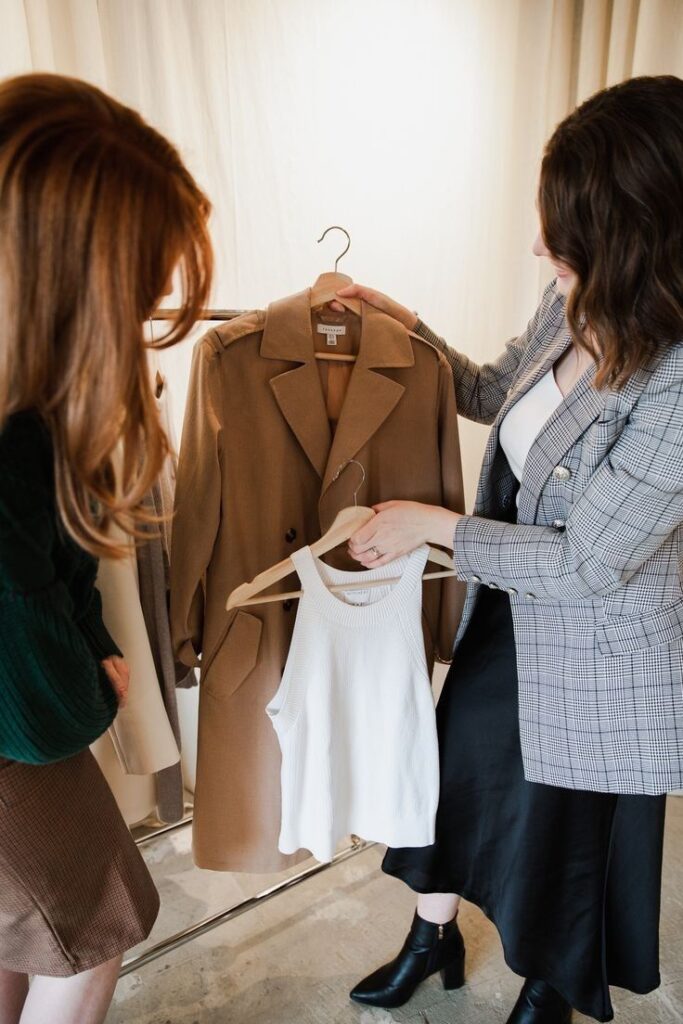
4. Strong Communication Skills
- Empathy: Understanding the client’s preference and listeningto them, helps in providing a tailored approach that truly reflects the client’s desires.
- Client Education: Stylists often have to explain why certain styles or colors work better than others. This should be done diplomatically and arculately. Clients are not students. As such remaining professional at all times is important.
- Building Trust: Many clients often have insecurities. Building trust through understanding and professionalism is crucial.
5. Creativity
- Outfit Coordination: A stylist must be able to mix and match pieces to create visually appealing and functional outfits that align with the client’s lifestyle and goals.
- Innovative Problem Solving: Sometimes clients need a wardrobe overhaul or a unique look for a special occasion. Creativity is required to make the most out of a limited budget or existing wardrobe.
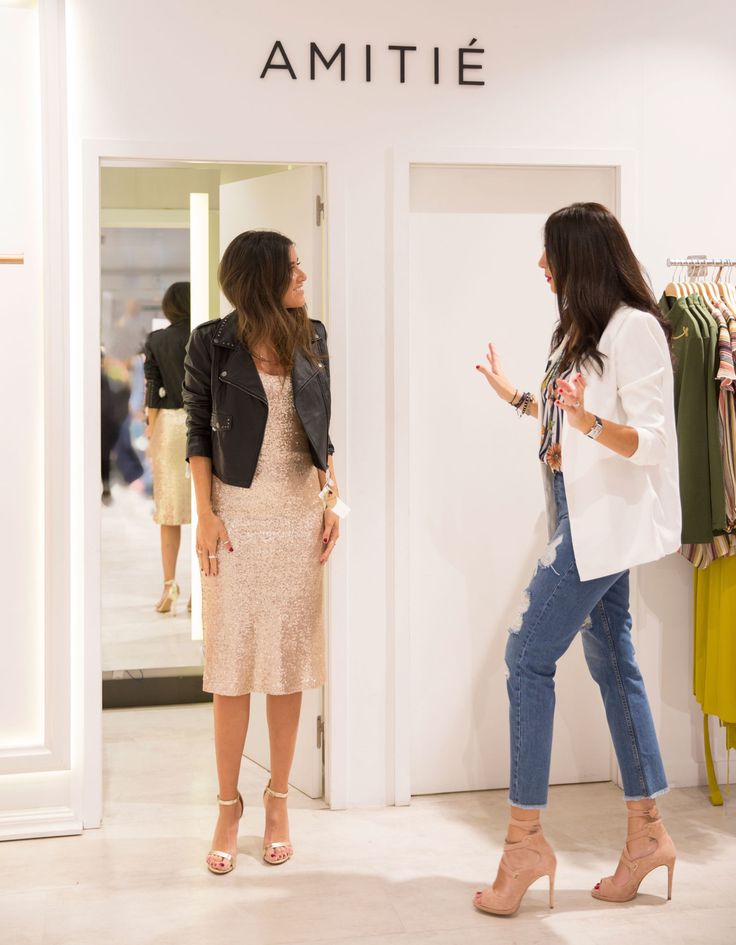
6. Business Acumen (for Freelancers)
- Marketing Skills: A good personal stylist knows how to market themselves, whether through social media, networking, or word-of-mouth referrals.
- Professionalism: Being professional in all aspects—such as setting clear expectations and contracts , and maintaining confidentiality—is essential for building a reliable reputation
6. Organization and Time Management
- Efficient Planning: Managing multiple clients and projects requires excellent organizational skills. This includes keeping track of appointments, schedules, and clothing inventory.
- Punctuality: Timeliness is key, especially when clients rely on you for specific events or seasons. A stylist should be dependable and able to meet deadlines
7. Brand and Product Knowledge
- It is very important for a personal stylist to be aware of all brands, national and international, luxury and accessible, to cater to the client’s various requirements. Clients may have specific preferences, and these need to be prioritized at all times.
- Formal Knowledge: Many stylists may start out without any formal training. But is suggested that to gain popularity and rise in this career, getting a formal certification at one point of time is definitely beneficial.
How to get Started ?
Once you are decided on your path, believe in yourself to make it happen. A combination of skills, understanding of business, patience, and diligence will help you along the way.
Build a Portfolio
- Document Your Work: Take high-quality photos of your clients’ transformations and style choices. You can always start with smaller clients and occasion-oriented work. But make sure you are documenting them as royally as possible.
- Create a Lookbook: Organize your best work into a digital lookbook or website. This helps potential clients see your style and capabilities. Pictures speak a thousand words, remember.
- Online Presence: Use platforms like Instagram, Pinterest, or even a personal website to showcase your portfolio. Thriving on social media not only showcases your capabilities but also does your marketing, sales pitch, reviews and recommendations.
Network and Build Relationships
- Attend Fashion Events: Fashion shows, networking events, and conferences to connect with other professionals in the industry; these are key to great clients and information.
- Collaborate: Collaborate with photographers, makeup artists, and models to expand your network and exposure.
- Build Client Relationships: Great customer service and delivering what the client wants leads to a great reputation. This will bring in referral clients and collaboration work.
By combining these steps, a passion for fashion, and a strong commitment to your craft, you can build a successful personal styling career!