

Teaching Abroad: Why Subject Knowledge Alone Is Not Enough
Moving to a new city or country as a teacher is an exciting career milestone. International teaching opportunities promise professional growth, cultural exposure, and the chance to impact students from diverse backgrounds. However, many educators quickly realize that strong subject knowledge alone is not enough to succeed in a global classroom.
Teaching abroad requires a broader set of skills that go beyond academic expertise. When educators step into a new country, they are not only delivering lessons, they are adapting to different cultural norms, communication styles, classroom behaviours, and professional expectations.
In today’s global education landscape, teachers must develop both intellectual authority and cultural adaptability to truly thrive.
Teaching Abroad Means Adapting to a New Culture
Every education system operates within a cultural framework. Even if the curriculum appears similar, the classroom environment can feel very different depending on the country.
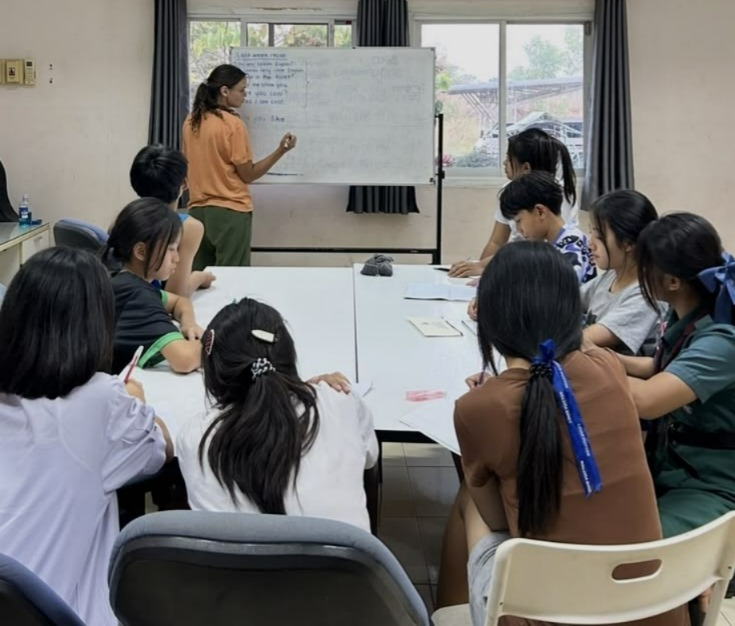
Students in some cultures are encouraged to question and debate openly with teachers. In others, students may show respect by listening quietly and avoiding direct confrontation. Teachers who are unfamiliar with these cultural dynamics may misinterpret student behaviour or struggle to maintain classroom engagement.
This is why cultural sensitivity is one of the most important soft skills for teachers working internationally.
Understanding cultural expectations helps teachers build stronger relationships with students and avoid misunderstandings. It also allows educators to create inclusive learning environments where students feel comfortable participating and expressing themselves.
Communication Matters More Than You Think
Another major challenge for teachers moving abroad is communication clarity. Many international schools use English as the medium of instruction, but students and parents often come from multilingual backgrounds.
Teachers with excellent subject knowledge may still struggle if their communication style is difficult for students to follow. This is where accent clarity and neutral communication become important.
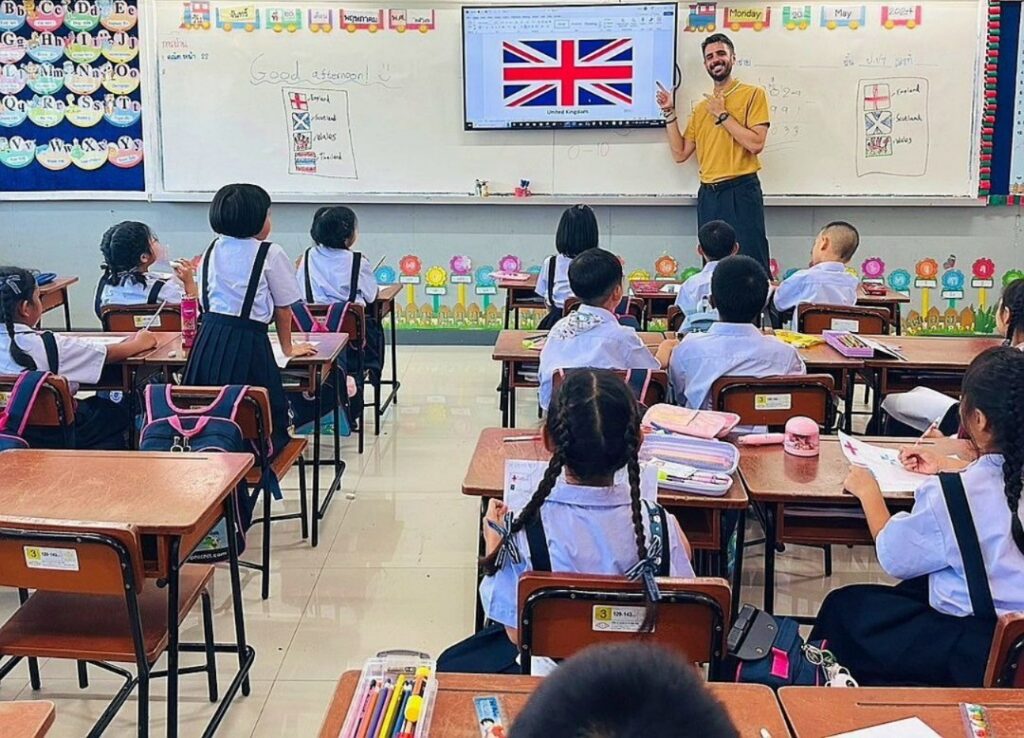
Neutral communication does not mean changing your identity or forcing a new accent. Instead, it involves:
- Speaking clearly and at a moderate pace
- Using simple and structured explanations
- Avoiding overly complex phrasing
- Ensuring students can easily follow instructions
When teachers focus on clarity, they help students understand lessons more effectively and create a more inclusive classroom environment.
Balancing Classroom Authority and Approachability
Classroom management is another area where teachers may face unexpected challenges when working abroad. Teaching styles that work well in one country may not be effective in another.
Some teachers try to maintain control by becoming overly strict, while others adopt a relaxed approach that unintentionally weakens discipline. Successful global educators find a balance between authority and approachability.
Students respond best to teachers who communicate expectations clearly while maintaining a respectful and confident presence. Classroom authority does not require rigidity. It requires consistency, clarity, and calm leadership.
When teachers demonstrate confidence without intimidation, students are more likely to respect both the educator and the learning process.
Understanding Parent Expectations
Parents play a significant role in shaping the culture of many schools. However, the level of parental involvement varies widely across countries.
In some education systems, parents expect frequent communication, detailed updates, and regular feedback about their child’s progress. In others, teachers are trusted to manage classrooms independently with minimal parental interaction.
Teachers working internationally should take time to understand:
- How often parents expect communication
- Preferred channels for updates (email, meetings, school platforms)
- Cultural attitudes toward teacher authority
- Parent-teacher meeting etiquette
By aligning with local expectations, teachers can build positive relationships with families and strengthen the support system around their students.
Professional Boundaries and Workplace Etiquette
Another critical aspect of global teaching is maintaining professional boundaries and adapting to workplace etiquette.
International schools often have diverse staff and multicultural communities, which means professional behaviour and communication must remain respectful and culturally aware.

Teachers should pay attention to areas such as:
- Appropriate communication with students outside the classroom
- Social media boundaries with students and parents
- Professional conduct within the school community
- Email tone and workplace communication style
These factors may seem small, but they significantly influence how teachers are perceived by colleagues, administrators, and parents.
Global Teaching Requires Global Professionalism
When teachers move across borders, they represent more than their subject expertise. Their communication style, cultural awareness, and professional conduct all shape how students experience the classroom.
Students observe how teachers interact, speak, and respond to challenges. In many ways, a teacher’s presence communicates as much as their lesson plan.
This is why educators planning to teach abroad should prepare themselves not only academically but also culturally and professionally.
Developing skills such as cultural sensitivity, clear communication, and professional etiquette can make the transition into international teaching environments far smoother.
Conclusion
Teaching in a new country offers a unique opportunity to grow as an educator and as an individual. However, success in global classrooms requires more than academic expertise.
Teachers who invest in cultural understanding, communication clarity, and professional presence are better equipped to connect with students and thrive in international schools.
Because when educators move globally, their presence teaches before their lessons do.
And that is why global teaching truly requires global professionalism.