
The Woman Destroyed
The Woman Destroyed by Simone de Beauvoir is a collection of three novellas that examine the quiet, internal collapse of women whose identities have been built almost entirely around others. Rather than portraying dramatic rebellion, de Beauvoir focuses on emotional erosion—how devotion, love, and self-sacrifice can slowly become forms of self-destruction.
The most striking story, The Woman Destroyed, is presented as the diary of Monique, a middle-aged woman who has defined her life through her roles as wife and mother. When her husband’s emotional infidelity comes to light and her children grow increasingly independent, Monique’s carefully constructed sense of purpose begins to unravel. De Beauvoir exposes how a life shaped by pleasing, supporting, and accommodating others leaves Monique with no stable self to fall back on when those relationships shift.
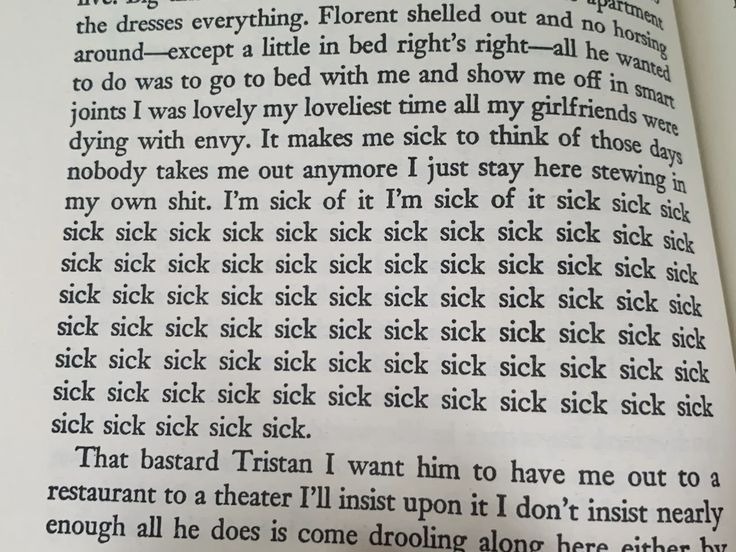
Across all three narratives, de Beauvoir critiques the social conditioning that encourages women to locate meaning through attachment rather than autonomy. The women are not destroyed by single events, but by years of emotional labour, moral compromise, and the belief that love requires self-erasure. Their suffering is intensified by the fact that they have done everything they were told would guarantee fulfillment—only to find themselves abandoned, invisible, or replaceable.
The relevance of The Woman Destroyed lies in how recognisable these patterns remain. In everyday life, many women continue to measure worth through relational success—being a good partner, a supportive colleague, an agreeable presence. De Beauvoir’s work reveals how such conditioning leaves women vulnerable when relationships fail or power dynamics shift. The novel forces readers to confront an uncomfortable truth: devotion without selfhood is not virtue, but risk.
Why this book must be read today is not because it offers solutions, but because it names a problem that is often romanticised. De Beauvoir refuses to sentimentalise sacrifice. Instead, she shows the psychological cost of living for others’ approval and the danger of confusing love with dependency. The Woman Destroyed remains a necessary, unsettling read for anyone examining identity, gender, and the hidden consequences of a life spent being indispensable to everyone but oneself.