

Thin, Rich, Pretty by Beth Harbison
At first glance, Thin, Rich, Pretty reads like the perfect indulgent escape- wealth, beauty, elite social circles, and women whose lives seem straight out of a luxury lifestyle magazine. But Beth Harbison quickly reveals that this is not a celebration of glamour. It’s a sharp, observant look at how fragile identities can be when they are built on appearance, money, and social approval.
The novel follows three women from different walks of life whose stories intersect in unexpected ways. Each woman represents a different relationship with privilege and self-worth: one has fallen from wealth and status, one is striving to enter that world, and one appears to embody effortless perfection. Through their journeys, Harbison dismantles the cultural fantasy suggested by the title that being thin, rich, and pretty guarantees happiness or security.
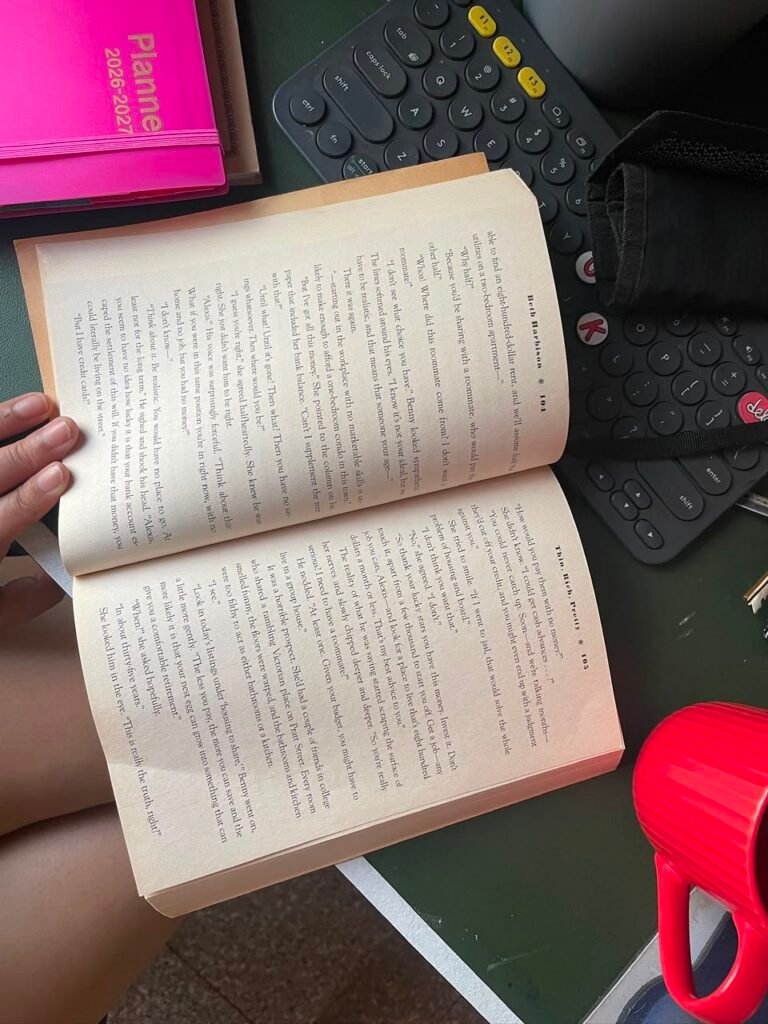
One of the novel’s strongest themes is beauty as social currency. In this world, attractiveness opens doors, softens judgment, and grants access to influential spaces. But Harbison shows that this power is conditional. Beauty requires maintenance, money, and youth, and the women who depend on it most live with constant anxiety about losing it. What looks like confidence from the outside often masks insecurity and fear of becoming invisible. The message is subtle but clear: when appearance becomes identity, self-worth becomes dangerously unstable.
Wealth functions in a similar way. Money in Thin, Rich, Pretty is not just comfort; it dictates social belonging. Friendships, marriages, and status are all influenced by who has access and who can maintain a certain lifestyle. When financial circumstances shift, so do loyalties. Harbison captures an uncomfortable truth: social circles built on status can disappear the moment the status does. The illusion of security is one of the book’s most striking emotional undercurrents.
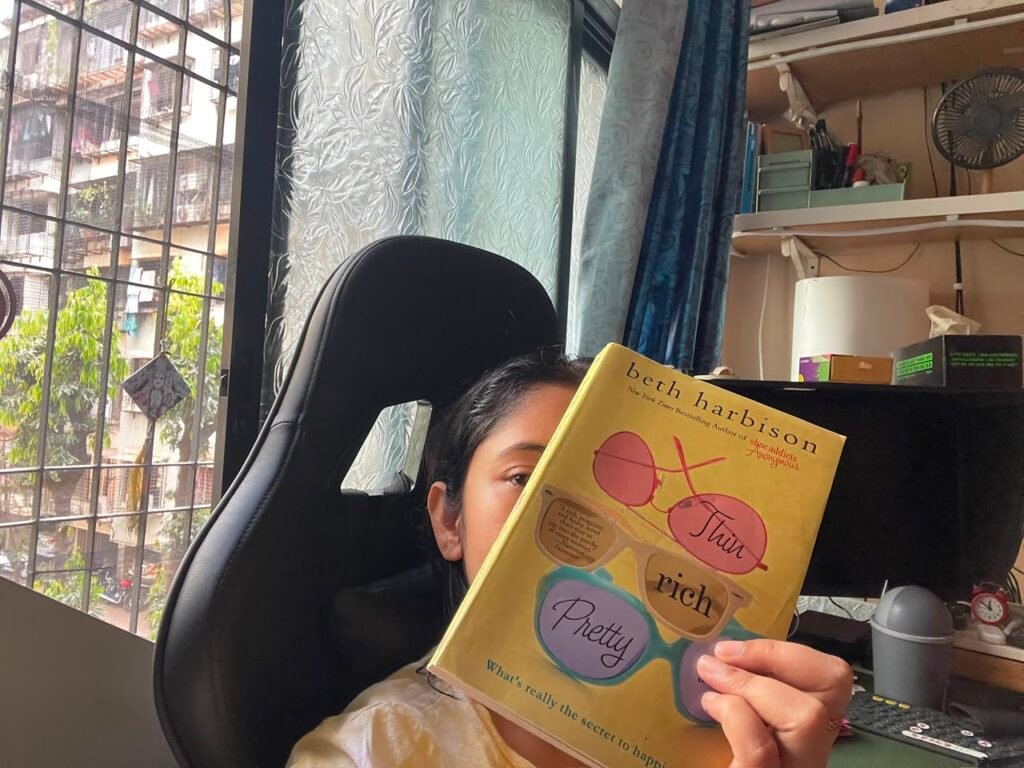
What elevates this novel beyond a society drama is its emotional growth arc. Beneath the polished settings, this is a story about reinvention. As the characters face losses of wealth, relationships, or the image they once relied on, they are forced to ask who they are without the labels. The women who evolve are not necessarily the ones who regain status, but the ones who begin to see themselves beyond comparison and external validation.
Harbison’s writing balances lightness with insight. The tone remains accessible and entertaining, yet the social commentary is pointed. She neither romanticizes nor condemns beauty and wealth; instead, she questions what happens when they become the foundation of identity rather than just aspects of life.
Overall, Thin, Rich, Pretty is an engaging, character-driven novel that peels back the glossy surface of privilege to explore insecurity, resilience, and self-discovery. It’s a compelling reminder that the life that looks perfect from the outside may be the most fragile on the inside — and that true confidence begins where image ends.