


The Hard Truth About Learning a Language: Why Fluency Takes More Than Three Months
In the age of fast learning and instant results, many people are drawn to promises that claim you can learn a language in three months. Online ads, apps, and short courses often present language learning as something that can be mastered quickly if you simply follow the right method.
However, there is an important truth that learners eventually discover: language fluency cannot be rushed.
While it is possible to make noticeable progress within a few months, true fluency requires time, consistent exposure, and repeated use of the language in real situations.
Understanding this distinction can help learners approach language learning with realistic expectations and better long-term results.
The Misunderstanding Around Language Levels
Most language courses follow the Common European Framework of Reference (CEFR) levels, which include stages like A1, A2, B1, B2, C1, and C2. These levels are designed to structure language learning and help learners track their progress.
At the beginner stages- A1 and A2, students learn essential vocabulary, grammar basics, and simple conversational structures. At intermediate levels like B1 and B2, learners begin forming more complex sentences and understanding broader topics.

However, these levels often create a misconception.
Many learners assume that finishing a level automatically means fluency. In reality, these levels are meant to introduce the syllabus and structure of the language, not guarantee mastery.
Completing lessons or modules means you have been exposed to the material but exposure alone does not translate into effortless communication.
Why Completing Levels Does Not Equal Fluency
Language learning is different from studying subjects that rely primarily on memorization or theoretical understanding.
A person can finish multiple lessons and still struggle to speak naturally because fluency depends on active usage, not just knowledge.
For example, a learner may know dozens of grammar rules and vocabulary lists but still hesitate when forming sentences in conversation. This happens because language is a skill, and skills develop through repeated practice.
Imagine learning to play a musical instrument. Reading music theory does not automatically make someone a confident performer. In the same way, completing language levels does not automatically produce fluent speakers.
Levels introduce the tools, but fluency comes from using those tools repeatedly.

Fluency Is About Daily Usage
The most reliable path to language fluency is consistent daily interaction with the language.
This does not mean spending hours studying complex grammar every day. Instead, it involves creating regular opportunities to use the language actively, even in small ways.
Daily exposure might include:
- Speaking with native speakers or language partners
- Watching videos or listening to podcasts in the language
- Reading simple articles or stories
- Writing short messages or journal entries
These activities help learners move beyond theoretical knowledge and start thinking in the language naturally.
Over time, repeated exposure trains the brain to recognize patterns, understand context, and respond more quickly during conversations.
The Role of Imperfection in Language Learning
One of the biggest obstacles to fluency is the fear of making mistakes.
Many learners hesitate to speak because they worry about incorrect grammar, pronunciation errors, or not finding the right words. This hesitation slows down progress because language development depends heavily on trial and error.
Fluent speakers are not people who never make mistakes. They are people who have made thousands of mistakes while practicing and gradually improved through experience.
When learners allow themselves to speak imperfectly, they create opportunities to receive feedback, adjust their communication, and become more comfortable using the language.
In other words, fluency grows from imperfect repetition, not perfect preparation.
Why Time Matters in Language Learning
Another reason language fluency cannot realistically happen in three months is that the brain needs time to absorb and internalize new linguistic patterns.
Languages involve vocabulary, grammar structures, pronunciation habits, and cultural context. Building familiarity with these elements requires repeated exposure over a longer period.
Even when learners study intensively, the brain still needs time to process and consolidate new information.
Most successful language learners understand that fluency develops gradually through months and often years of consistent interaction.
This may sound discouraging at first, but it also removes unnecessary pressure. Instead of trying to achieve perfection quickly, learners can focus on steady progress.
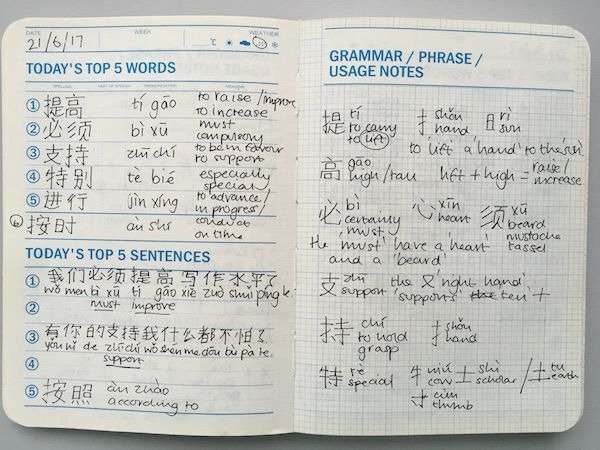
A Better Way to Measure Progress
Instead of asking how quickly they can become fluent, learners benefit more from asking questions like:
- Can I hold a simple conversation today that I couldn’t have last month?
- Do I understand more spoken content than before?
- Am I more comfortable expressing my thoughts, even if imperfectly?
These small improvements are meaningful signs that the brain is adapting to the language.
Over time, these incremental changes accumulate into genuine fluency.
Final Thoughts
Language learning is a rewarding journey, but it is not an instant process.
Levels like A1, A2, and B1 are helpful guides that introduce the structure of a language, but they do not automatically create fluent speakers. Fluency emerges when learners move beyond lessons and start using the language regularly in real life.
The most effective approach is simple: use the language daily, imperfectly, and repeatedly.
Because fluency is not about finishing levels.
It is about living with the language until it becomes a natural part of how you communicate.